
Keeping track of all your department’s weapons can feel like a huge job. You’ve got firearms, ammo, maybe other gear too, and you need to know where everything is, who has it, and when it’s due back. It’s not just about not losing things; it’s about following the rules and making sure your team has what they need, when they need it. That’s where a good weapon inventory management system comes in. It takes a lot of the guesswork and paperwork out of the picture, making your whole operation run a lot smoother.
Key Takeaways
A weapon inventory management system is vital for keeping track of firearms, improving accountability, and making sure your department follows all the necessary rules.
Look for systems that offer real-time updates, strong security features, and automatic reminders for important tasks like maintenance.
Technology like barcodes and RFID can really speed up how you track items and reduce mistakes.
When picking a system, think about the company’s experience, how secure their system is, and if they offer good support.
Good training for your staff and keeping records up-to-date are just as important as the tech itself for a successful system.
Understanding The Importance Of A Weapon Inventory Management System
Enhancing Accountability and Transparency
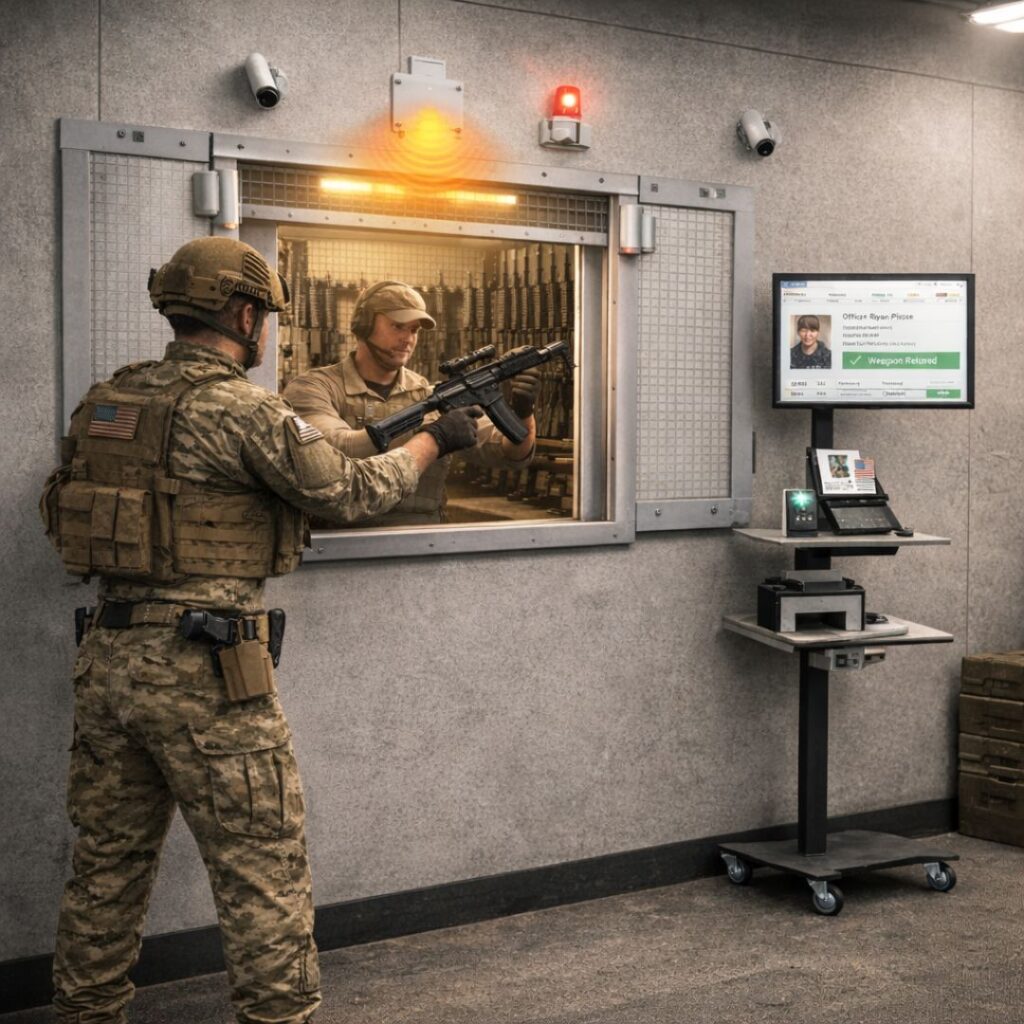
Keeping track of firearms isn’t just about knowing what you have; it’s about knowing who has it and when. A good system makes it clear who checked out a weapon, when they took it, and when it was returned. This level of detail is super important for making sure everything is accounted for and for building trust. When everyone knows where things are and who’s responsible, it cuts down on a lot of guesswork and potential problems. This clear chain of custody is non-negotiable for any organization handling sensitive equipment.
Streamlining Operations and Reducing Workload
Let’s be honest, managing inventory manually is a pain. It takes up a ton of time and is prone to mistakes. Think about all the paperwork, the double-checking, and the constant worry about errors. An advanced system automates a lot of this. It can handle check-ins, check-outs, and status updates automatically, freeing up your team to focus on more important tasks. This means less time spent on tedious administrative work and more time for actual operational duties.
Ensuring Compliance with Regulations
There are a lot of rules and regulations surrounding firearm storage and management, and they can change. Staying on top of all of them can feel like a full-time job. A proper inventory management system helps by keeping all your records organized and up-to-date. It can flag items that are due for maintenance or inspection, and it makes generating reports for audits much simpler. This way, you’re not scrambling when an inspection comes around, and you can be confident you’re meeting all the legal requirements.
Without a solid system, agencies risk falling out of compliance, which can lead to serious penalties and damage their reputation. It’s not just about avoiding trouble; it’s about operating responsibly and professionally.
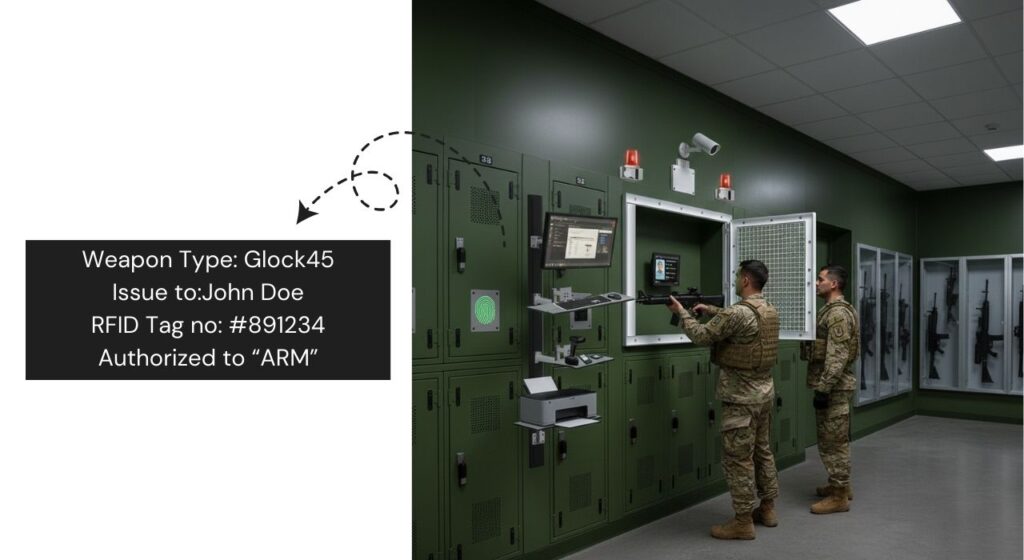
Key Features Of An Advanced Weapon Inventory Management System
So, what makes a weapon inventory system truly advanced? It’s not just about having a list of guns. It’s about having a system that actively works for you, making your job easier and your armory safer. Let’s break down some of the must-have features.
Real-Time Tracking and Status Updates
Imagine knowing exactly where every weapon is, at any given moment. That’s the power of real-time tracking. No more digging through paper logs or relying on outdated spreadsheets. This feature gives you live updates on weapon status – whether it’s in the armory, checked out by an officer, or undergoing maintenance. This constant visibility is key to maintaining accountability and preventing loss. It means you can quickly locate assets and understand their current condition, which is pretty handy when you need to deploy resources quickly.
Robust Security and Access Control
Security is obviously a huge deal when we’re talking about weapons. An advanced system goes way beyond just locking the armory door. It includes features like role-based access, meaning only authorized personnel can view or manage specific inventory items. Some systems even integrate with biometric scanners, so you know exactly who is accessing what, and when. This kind of granular control helps prevent unauthorized handling and provides a clear audit trail for every interaction with the inventory. It’s about making sure the right people have access to the right gear, period.
Automated Alerts for Maintenance and Compliance
Keeping track of maintenance schedules and regulatory requirements can feel like a full-time job on its own. Advanced systems automate this. You can set up alerts for upcoming maintenance, inspections, or even expiring certifications for personnel. This proactive approach helps avoid costly mistakes and ensures your weapons are always in top working order and that your department stays compliant with all the rules. It’s like having a digital assistant reminding you of all the important deadlines.
Integration and Scalability for Future Growth
Your needs today might be different from your needs five years from now. A good system needs to grow with you. This means it should be able to integrate with your existing software, like personnel records or other departmental systems. It also needs to be scalable, meaning it can handle an increasing number of assets and users without slowing down. This future-proofing aspect is important so you don’t have to replace your entire system every few years. You want something that can adapt as your department evolves.
A truly advanced system isn’t just a digital ledger; it’s an active participant in your armory’s security and efficiency. It automates tedious tasks, provides critical insights, and helps build a culture of responsibility.
Here’s a quick look at how these features stack up:
- Real-Time Tracking: Live updates on location and status.
- Security: Granular access controls and audit trails.
- Automation: Alerts for maintenance and compliance deadlines.
- Integration: Connects with existing software.
- Scalability: Grows with your department’s needs.
Overcoming Challenges In Weapon Inventory Management
Let’s be real, keeping track of every single firearm and piece of gear can feel like a massive headache. Many departments struggle with outdated methods that just don’t cut it anymore. We’re talking about manual logs that get lost, illegible handwriting, and the constant worry that something might be missing or in the wrong hands. It’s a tough spot to be in, especially when regulations are always changing and security is non-negotiable.
Addressing Budget Constraints Strategically
Money is often the biggest hurdle. Investing in new technology can seem expensive upfront, and finding the funds can be a real challenge. Many agencies report that budget limitations are a major reason they haven’t upgraded their systems. It’s not just about buying software; it’s about the hardware, training, and ongoing support too. Figuring out how to justify the cost and show a return on investment is key. Sometimes, looking for grants or phased implementation plans can help ease the financial strain.
Implementing Efficient Inventory Tracking Technologies
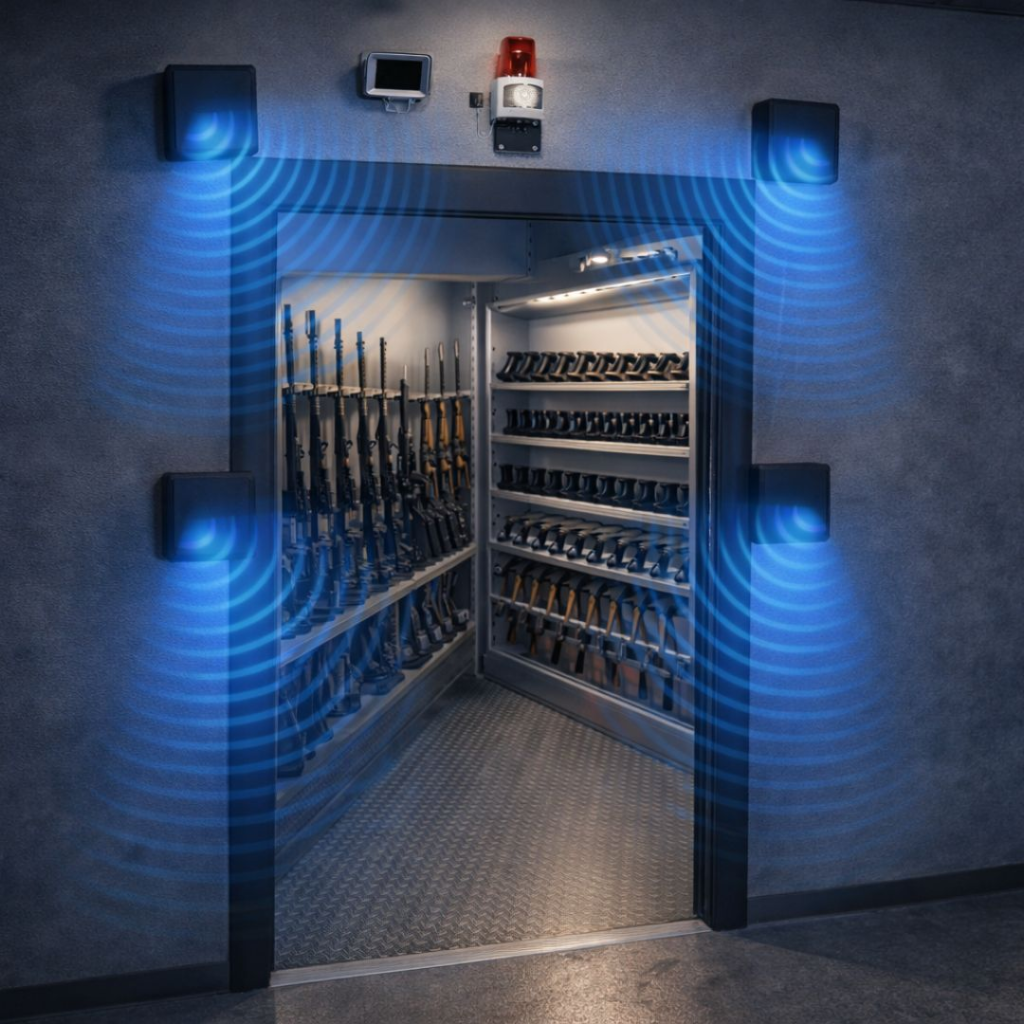
Manual tracking is a recipe for errors. Think about it: every time someone signs a weapon in or out, there’s a chance for a mistake. This can lead to inaccurate records, making it hard to know exactly what you have and where it is. This lack of real-time visibility is a significant operational risk. Modern systems use things like barcodes or RFID tags. You scan the item, and the system updates automatically. It’s faster, more accurate, and gives you a clear picture of your inventory at all times.
Here’s a quick look at how different tracking methods stack up:
Method | Accuracy | Speed | Cost (Initial) | Ease of Use |
|---|---|---|---|---|
Manual Logs | Low | Slow | Very Low | Difficult |
Barcode | High | Fast | Medium | Easy |
|
RFID |
Very High |
Very Fast |
High |
Easy |
Enhancing Security Protocols and Access Management
Beyond just knowing what you have, you need to control who has access to it. Traditional systems might rely on simple key cards or even just a password, which isn’t always enough. What happens if a credential is lost or stolen? Or if an officer isn’t qualified to handle a certain weapon? Advanced systems can integrate biometric scanners, like fingerprint or facial recognition, to make sure only authorized personnel can access the armory or check out specific weapons. They can also flag officers who might not be cleared for issue based on training records or other factors, adding a critical layer of safety.
Best Practices For Effective Armory Management
Keeping your team sharp on how to use the armory system is a big deal. It’s not just about knowing how to log a weapon in or out; it’s about understanding the whole process and why it matters. Regular training sessions should cover everything from the basics of the software to the latest security protocols. When everyone knows their role and the importance of accuracy, you cut down on mistakes significantly. This also builds a sense of responsibility, making sure that each person feels accountable for the gear they handle. Think of it like this: if you don’t train your officers on how to use a new piece of equipment properly, you’re setting them up for failure, and the equipment might not get used to its full potential.
Maintaining Meticulous Records and Generating Detailed Reports
Accurate record-keeping is the backbone of any good armory. We’re talking about knowing exactly where every single item is, who has it, and when it’s due back. Manual logs? They’re a headache waiting to happen. A modern system, however, makes this way easier. You can track everything from firearms and ammunition to less-lethal options and protective gear. Generating reports from this data is where the real magic happens. You can see trends, identify items that are frequently checked out or overdue, and spot potential issues before they become big problems. This kind of insight helps with everything from budgeting for new equipment to making sure you’re always compliant with regulations.
Here’s a quick look at what your reports might show:
- Item Status: Available, Checked Out, Under Maintenance, Lost/Stolen
- User Activity: Who has checked out what, and when
- Maintenance Schedules: Upcoming service dates for weapons
- Compliance Audits: Summaries for regulatory checks
Ensuring Consistent Maintenance and Upkeep of Assets
Weapons aren’t just items to be tracked; they’re critical tools that need to be in top working order. Consistent maintenance is non-negotiable. This means having a clear schedule for cleaning, inspections, and any necessary repairs. A weapon that hasn’t been properly maintained isn’t just unreliable; it can be dangerous. Your inventory management system should help flag when a weapon is due for service, preventing it from being issued if it’s not ready. Think about the consequences if an officer’s firearm malfunctions during a critical incident. It’s a scenario no one wants to face. Keeping up with maintenance also extends the life of your assets, saving money in the long run.
Proper armory management isn’t just about having a system; it’s about the discipline to use it correctly every single day. Small oversights can lead to big problems down the line, affecting everything from officer safety to legal compliance. A proactive approach, supported by the right technology, makes all the difference.
Using a mobile app can really speed up inventory audits, especially when paired with tools like RFID scanners. This makes the whole process faster and more accurate, which is a huge help for busy departments. Check out the Weapon Tracker Mobile App for more on how this works.
Leveraging Technology For Superior Weapon Management
Look, keeping track of firearms isn’t like counting pencils. It’s serious business, and frankly, doing it the old-fashioned way just doesn’t cut it anymore. Technology has really changed the game, making things way more accurate and less of a headache. We’re talking about systems that can tell you exactly where a weapon is, who has it, and when it’s due back, all without someone having to manually check a logbook.
Utilizing Barcode and RFID for Automated Tracking
This is where things get really interesting. Instead of writing down serial numbers or checking tags, you can slap a barcode or an RFID tag on each weapon. A quick scan with a handheld device or a fixed reader and boom – the system knows. It’s fast, it cuts down on mistakes, and it means your inventory is always up-to-date. Think about how much time that saves when you’re doing a full audit or just trying to find a specific piece of equipment.
- Barcode Scanning: Simple, cost-effective, and works well for basic tracking. You scan the code, and the system updates.
- RFID Tags: These are a bit more advanced. They can be read without direct line-of-sight and can even store more information. You can scan multiple tags at once, which is a huge time-saver.
- Real-Time Updates: As soon as a weapon is scanned in or out, the system reflects the change. No more waiting for someone to update a spreadsheet.
Implementing Biometric Access Controls
When we talk about security, biometrics are a big deal. We’re not just talking about key cards anymore. Fingerprint scanners, iris scanners, or even facial recognition can control who gets access to the armory or specific weapons. This adds a serious layer of protection, making sure only authorized personnel can even get near the firearms. It’s a much more reliable way to manage who has access, and it leaves a clear digital trail.
Biometric systems create an undeniable link between an individual and their access to sensitive assets, significantly reducing the risk of unauthorized handling and improving overall security posture.
Mobile Access for Efficient Field Management
What about when your team is out in the field? They shouldn’t be cut off from the inventory system. Mobile apps connected to the main system let officers check weapon availability, log equipment use, or even report issues right from their patrol car or on the go. This keeps information flowing in real-time, no matter where your personnel are. It means better planning for deployments and quicker responses to equipment needs.
| Feature | Benefit |
|---|---|
| Real-time updates | Accurate status of weapons at all times. |
| Mobile logging | Record usage and returns from anywhere. |
| Reduced errors | Less manual data entry means fewer mistakes. |
| Improved readiness | Know what’s available and where it is. |
Selecting The Right Weapon Inventory Management Solution Provider
Picking the right company to provide your weapon inventory management system is a big deal. It’s not just about getting software; it’s about finding a partner who understands the unique needs of your department. Think about it like choosing a contractor for a major renovation – you want someone reliable, experienced, and who won’t leave you with a mess.
Assessing Industry Experience and Track Record
First off, look at how long they’ve been doing this, especially with law enforcement or similar agencies. Have they worked with departments like yours before? What kind of results did they achieve? A provider with a solid history shows they know the ins and outs of what you need. It’s good to ask for references or look for case studies. Seeing how they’ve helped others can give you a good idea of what to expect.
Evaluating Security Measures and Data Protection
This is non-negotiable. Your weapon inventory data is sensitive. You need a provider that takes security seriously. What kind of encryption do they use? How do they protect against cyber threats? Are there strict access controls built into their system? You want to know that your data is locked down tight, accessible only by authorized personnel. It’s about preventing unauthorized access and keeping everything compliant with privacy regulations.
The system should have layers of security, from user authentication to data encryption, to protect sensitive inventory information from breaches and unauthorized access.
Considering Customer Support and System Updates
What happens after the sale? Good customer support is key. Are they available when you need them, especially during critical times? Do they offer training for your staff? Also, think about system updates. Technology changes fast, and your system needs to keep up. A provider that regularly updates their software with new features and security patches is a better long-term investment. You don’t want a system that becomes outdated in a couple of years.
- Availability: Is support available 24/7, or during business hours only?
- Training: Do they provide initial training and ongoing support for new staff?
- Updates: How often are software updates released, and what do they typically include?
- Responsiveness: How quickly do they typically respond to support requests?
Conclusion
So, we’ve talked a lot about how these advanced weapon inventory systems can really change things for the better. It’s not just about having a fancy database; it’s about making sure everything is accounted for, secure, and ready when you need it. Think less paperwork, fewer headaches, and a much clearer picture of what you have and where it is. Implementing one of these systems is a solid move for any department looking to run smoother and stay on top of all the rules. It’s about making your team’s job easier and safer, plain and simple.