
Keeping track of weapons in an armory used to be a real headache, right? Lots of paperwork, manual checks, and the constant worry about something going missing. But things are changing, and fast. We’re talking about using RFID, which is like a super-smart way to know exactly where every weapon is, all the time. It’s changing how armories work, making everything quicker and a lot more secure. Let’s look at how this RFID weapons tracking stuff is becoming the new normal.
Key Takeaways
RFID weapons tracking uses tags and readers to automate weapon counts, cutting down on manual work and errors.
It makes shift changes and training audits much faster, giving armorers more time for other tasks.
The system gives a clear picture of where every weapon is, improving accountability and chain of custody.
RFID tags are built tough to handle rough conditions, and the system can work even with metal weapons.
This technology is flexible and can grow with an armory’s needs, offering better security for the future.
Revolutionizing Armory Operations with RFID Weapons Tracking
Let’s talk about how things are changing in armories. For ages, keeping track of every rifle, pistol, and piece of gear meant a lot of paperwork, manual checks, and hoping nothing got misplaced. It was a system that, frankly, was prone to errors and took up a ton of time, especially during busy periods like shift changes or when preparing for training. But now, there’s a new way of doing things, and it’s making a big difference.
Streamlining Daily Operations and Shift Changes
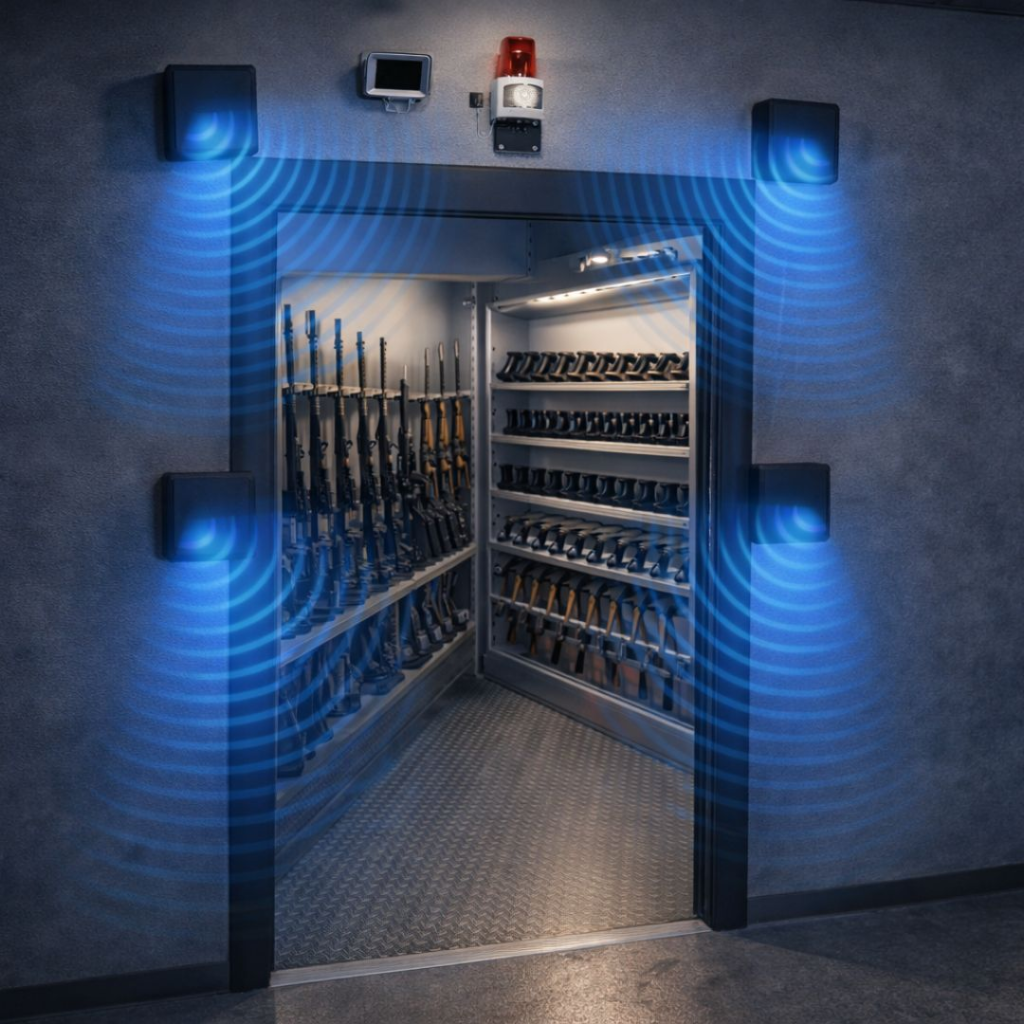
Think about the end of a shift. Before, armorers had to manually check each weapon back in, ticking boxes and verifying serial numbers. This could take ages, especially with a large inventory. RFID technology changes all of that by automating the process. When a weapon is returned, a small RFID tag on it is automatically read by a scanner, often built into weapon racks or doorways. This instantly updates the system, showing the weapon is back and accounted for. If something is missing, the system flags it right away, cutting down on frantic searches and delays. It’s like having a silent, always-on inventory clerk.
Enhancing Training Audits and Readiness
Training exercises are critical, but auditing weapons for them used to be a massive undertaking. Imagine having to unpack every single weapon case just to verify contents. With RFID, this is no longer the case. Fixed readers can scan tags even when weapons are still secured in their cases. This means what used to take days of painstaking manual work can now be done in a fraction of the time, often in just an hour or so. This speed and accuracy mean less disruption to training schedules and a much clearer picture of readiness.
Achieving Real-Time Visibility and Control
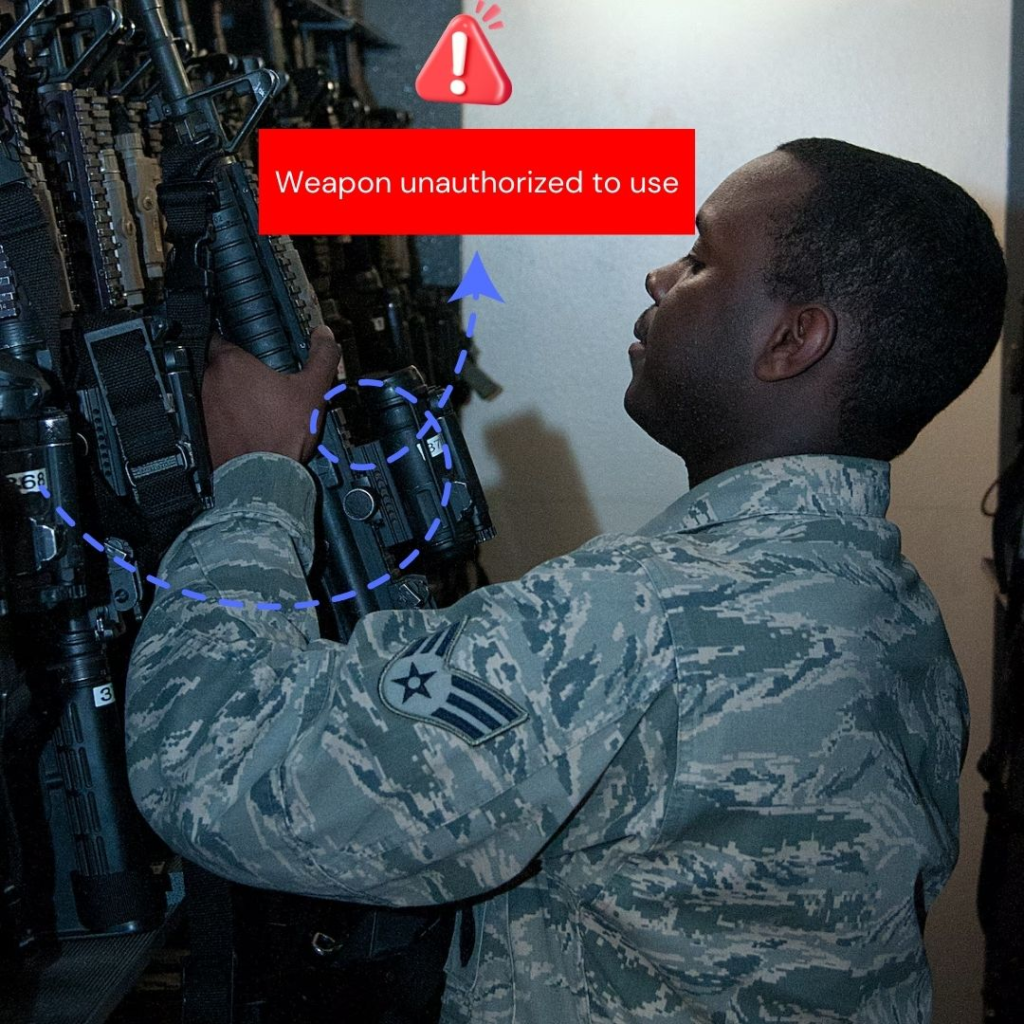
One of the biggest wins with RFID is knowing exactly where everything is, all the time. The system provides a live look at your entire weapons inventory. You can see what’s checked out, who has it, and when it was last scanned. This level of visibility is a game-changer for security and accountability. It helps prevent unauthorized movements and provides a clear, digital trail for every weapon, from the moment it enters the armory to when it’s issued and returned. It’s about having a firm grip on your assets, always.
The shift from manual tracking to an automated RFID system isn’t just about making things faster; it’s about building a more reliable and secure foundation for armory management. It reduces the chances of human error and provides a level of detail that was previously impossible to achieve consistently.
The Technological Foundation of RFID Weapons Tracking
So, how does this whole RFID thing actually work for keeping tabs on weapons? It’s not magic, though it might seem like it sometimes. At its core, RFID, or Radio Frequency Identification, uses a combination of small tags and readers to automate the tracking process. Think of it like a digital barcode, but instead of needing a scanner to see it, it communicates wirelessly.
Understanding RFID Tagging and Reader Technology
Every weapon gets fitted with a special RFID tag. These aren’t just stickers; they’re built tough, designed to handle the rough and tumble of military life. Each tag has a unique identifier, like a digital fingerprint for that specific weapon. Then you have the readers. These are the devices that pick up the signals from the tags. They can be fixed in place, like at the entrance to a weapons locker, or they can be handheld for more flexible use. When a tag passes by a reader, or a reader is within range, the tag’s information is sent over radio waves. This wireless communication is what makes the whole system so fast and efficient. It means you don’t have to manually scan or log anything; the system just knows.
The Role of RFID Portals in Secure Armories
Imagine doorways or openings in your armory that automatically check weapons in and out. That’s essentially what RFID portals do. These are fixed reader systems installed at key points, like the main entrance to the armory or specific storage areas. When a weapon, with its RFID tag, passes through the portal, the reader instantly registers its presence or departure. This is super handy for shift changes or when weapons are moved between different zones. It creates an automated gatekeeper, providing a constant stream of data about weapon movement without any human intervention. This kind of setup is key for maintaining a secure weapons tracking system.
Leveraging Handheld Readers for Mobility
While portals are great for fixed locations, sometimes you need to track weapons on the move. That’s where handheld RFID readers come in. These devices are like ruggedized scanners that personnel can carry around. They’re perfect for conducting spot checks, inventorying weapons in different locations, or tracking items during training exercises. If a weapon is taken out of its designated storage for a drill, a quick scan with a handheld reader can update its status. This mobility adds another layer of flexibility to the system, allowing for real-time tracking even when things aren’t happening at a fixed portal.
Here’s a quick look at how the components work together:
RFID Tags: Attached to each weapon, containing unique identification data.
RFID Readers: Devices that emit radio waves to activate tags and receive their data.
Antennas: Work with readers to send and receive radio signals, defining the read zone.
Middleware/Software: Processes the data from readers, updates inventory, and provides user interfaces.
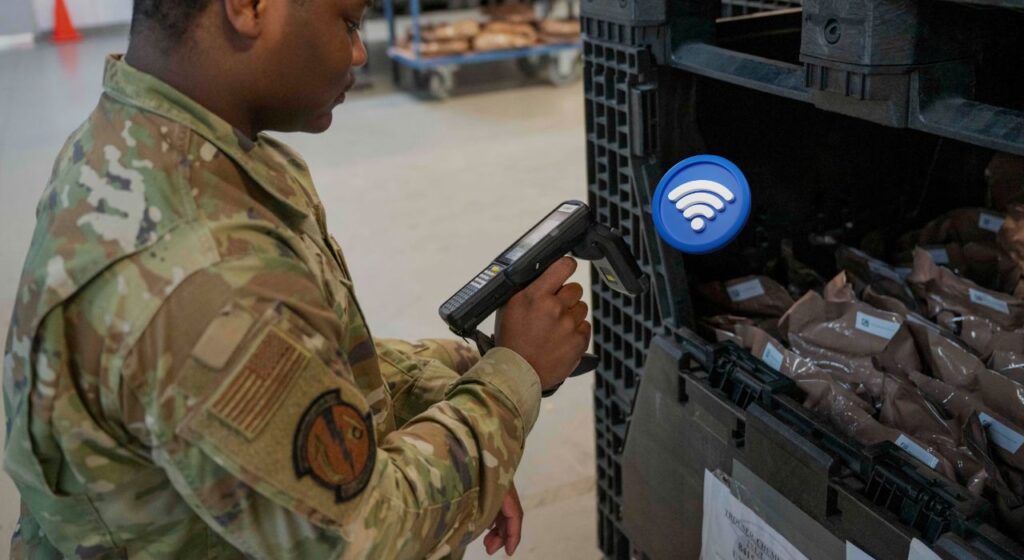
The technology relies on a simple principle: radio waves do the heavy lifting. Tags have a microchip and an antenna, and readers send out a signal that powers the tag’s chip, allowing it to transmit its stored information back. It’s a silent, efficient exchange that happens in the background, keeping your inventory accurate.
Overcoming Challenges in RFID Weapons Tracking Implementation
So, you’re thinking about bringing RFID into your armory. That’s a smart move, but like any tech upgrade, it’s not always a walk in the park. There are a few hurdles you’ll want to be ready for. Getting this right means your weapons management will be way smoother.
Selecting the Right RFID Tags for Diverse Weaponry
Not all weapons are created equal, and neither are RFID tags. You’ve got everything from heavy machine guns to small sidearms, and they all have different needs. Picking the wrong tag can mean it just doesn’t work, or worse, it gets damaged easily. You need tags that can handle the job.
Consider the material: Some weapons are made of metal, which can mess with RFID signals. You’ll need tags designed for on-metal applications.
Think about size and shape: A tag needs to fit without getting in the way of the weapon’s operation or being easily snagged.
Environmental factors: Will the tag be exposed to extreme heat, cold, moisture, or dirt? The tag needs to survive.
Ensuring Tag Durability in Harsh Conditions
Let’s face it, weapons go through a lot. They get dropped, banged around, and are often used in tough environments. Your RFID tags need to be just as tough. A tag that fails means you lose that weapon’s tracking capability, which defeats the whole purpose. We’re talking about tags that can withstand:
Impacts from drops or recoil.
Exposure to cleaning solvents and lubricants.
Vibration during transport or use.
Temperature fluctuations.
The goal is to have tags that last the lifespan of the weapon or at least a significant period without needing replacement.
Addressing On-Metal Application Complexities
This is a big one. Most firearms have a lot of metal. Metal can reflect and absorb radio waves, making it tricky for RFID readers to pick up signals from tags attached directly to metal surfaces. It’s not like sticking a tag on a plastic bin. You need to:
Use specialized on-metal RFID tags that are built to work around this interference.
Pay close attention to tag placement. Sometimes, moving a tag just a few inches can make a huge difference in read reliability.
Test your system thoroughly in the actual armory environment to find any dead spots or areas where tags aren’t being read consistently. This is where a good RFID partner can really help manage your assets.
Implementing RFID isn’t just about buying tags and readers. It’s about understanding the physics of radio waves and how they interact with different materials, especially metal. Careful planning and testing are key to making sure your system works reliably day in and day out. Don’t underestimate the importance of a good site survey and system validation before going live.
Key Benefits of Advanced RFID Weapons Management
Implementing an RFID system for managing weapons in an armory brings some pretty significant advantages. It’s not just about having fancy tech; it’s about making real improvements to how things get done and how secure everything is.
Accelerating Operations and Reducing Manual Effort
Think about the daily grind in an armory. Shift changes, equipment checks, inventory counts – these tasks can eat up a lot of time, especially when done by hand. RFID changes that. When a weapon is returned or issued, a quick scan by an RFID reader logs the transaction instantly. No more scribbling serial numbers or names in a logbook. This speed-up is noticeable, particularly during busy periods or when time is really tight.
Faster check-in/check-out: Transactions that used to take minutes can now be done in seconds.
Quicker inventory counts: Full inventory checks can be completed in a fraction of the time.
Reduced administrative burden: Armory staff spend less time on paperwork and more time on other important duties.
The sheer volume of manual data entry in traditional armory systems is a major bottleneck. RFID automates this, freeing up personnel and cutting down on the potential for errors that come with repetitive tasks.
Ensuring Complete Accountability and Chain of Custody
Knowing exactly where every weapon is and who had it last is non-negotiable. RFID systems create an automatic, detailed record of every weapon’s movement. Each tag has a unique ID, and when it’s read by a portal or a handheld device, that information is logged with a timestamp and the user’s ID. This builds a clear, unbroken chain of custody.
|
Transaction Type |
Traditional Method |
RFID Method |
|---|---|---|
|
Weapon Issuance |
Manual Log Entry |
Automated Scan |
|
Weapon Return |
Manual Log Entry |
Automated Scan |
|
Inventory Check |
Manual Count & Record |
Automated Scan |
|
Audit Trail |
Paper Records/Spreadsheets |
Digital, Timestamped Log |
This level of detail is invaluable for security investigations, audits, and simply maintaining good order. It makes it much harder for weapons to go missing unnoticed.
Minimizing Human Error for Data Integrity
Let’s be honest, people make mistakes. When you’re dealing with lists of serial numbers, names, and times, errors are bound to happen. A misplaced digit, a forgotten entry, or a misread number can lead to inaccurate records. RFID takes the human element out of data collection for these critical transactions. The system reads the tag directly, so the data logged is exactly what the tag contains. This drastically improves the accuracy and reliability of your armory records, giving you confidence in the information you have.
Scalability and Versatility of RFID Solutions
When you’re thinking about setting up an RFID system for tracking weapons, it’s not just about getting it to work in one room. You need to consider if it can grow with you and adapt to different situations. That’s where scalability and versatility come in. An RFID system that can handle more weapons as your inventory expands and work across different locations is a smart long-term investment.
Adapting to Growing Inventories and Multiple Facilities
Imagine your armory gets bigger, or maybe you have several training sites. A good RFID setup shouldn’t break the bank or require a complete overhaul when that happens. It should be able to add more tags and readers without a fuss. Think about it like adding more shelves to a storage unit; you just need the space and the shelves, not a whole new building.
Inventory Growth: As new equipment comes in, adding RFID tags is usually straightforward. The system software can typically handle a larger database of tagged items.
Multiple Sites: If you need to track weapons at a main armory and a remote training facility, a networked RFID system can provide a unified view. You can see what’s where, even if the locations are miles apart.
System Expansion: Adding more weapon racks or storage cabinets just means installing more RFID readers or antennas in those new areas. The system can then incorporate these into its tracking network.
Supporting Cloud-Based and On-Premise Deployments
Not everyone wants their sensitive data floating around on the internet, and that’s totally understandable. RFID solutions can be set up in a couple of ways to fit different security needs.
On-Premise: All the data and the system software live on your own servers, right there in your facility. This gives you direct control over everything.
Cloud-Based: The system uses remote servers, often managed by the RFID provider. This can be easier to set up and access from anywhere, but you rely on the provider’s security measures.
Hybrid Models: Some systems let you mix and match, keeping certain data local while using cloud features for other tasks.
The choice between cloud and on-premise often comes down to how much control you need versus how much convenience you want. Both can be secure if implemented correctly, but the comfort level with data location plays a big part.
Meeting the Demands of Various Security Sectors
While we’re talking about armories, the same RFID principles can be applied elsewhere. Think about police departments, security companies, or even high-security research labs that need to track valuable or sensitive equipment. The core idea of using tags and readers to know where things are, and who has them, is pretty universal. It’s about adapting the technology to fit the specific rules and risks of each field. For instance, a police evidence locker might need a different type of tag than a military rifle, but the tracking benefit is the same.
The Future of Armory Security and RFID
So, where does all this leave us regarding the future of armory security? It’s pretty clear that relying on old methods just isn’t going to cut it anymore. We’re talking about a world where technology is constantly changing, and security needs to keep pace. RFID isn’t just a nice-to-have; it’s becoming a must-have for keeping track of weapons. Think about it: as inventories grow and facilities spread out, managing everything manually becomes a huge headache. RFID solutions are built to handle that growth, whether you’re running a single armory or multiple sites across the country. They can work with systems you already have, whether they’re stored on your own servers or out in the cloud.
Positioning for Evolving Security Requirements
Security threats aren’t static, right? They change, they adapt, and so must our defenses. RFID systems are designed with this in mind. They provide a level of real-time awareness that was just impossible before. Imagine getting an instant alert if a weapon is moved without authorization – that’s the kind of proactive security we’re talking about. This adaptability means that as new security challenges pop up, your tracking system can be part of the solution, not part of the problem. It’s about building a security framework that can grow and change with the threats.
The Essential Nature of RFID for Modern Defense
When you look at the big picture, RFID is really becoming the backbone of modern defense asset management. It’s not just about counting guns; it’s about knowing exactly where every piece of equipment is, who has it, and when it was last used. This complete picture is vital for everything from daily operations to responding to emergencies. It helps make sure that when a unit needs specific gear, it’s there and ready to go. This kind of readiness is what RFID helps to build.
Driving Operational Efficiency and Asset Security
Ultimately, all this technology boils down to making things work better and keeping assets safe. Manual processes are slow and prone to mistakes. RFID cuts down on that wasted time and reduces the chance of errors significantly. This means armorers can spend less time on paperwork and more time on actual security tasks. Plus, the detailed audit trails that RFID provides are invaluable for accountability and compliance. It’s a win-win: better security and smoother operations. You can explore some of the leading physical security trends for 2025 and beyond to see how RFID fits into the bigger picture here.
Here’s a quick look at how RFID stacks up against older methods:
|
Feature |
Manual Tracking |
RFID Tracking |
|---|---|---|
|
Inventory Speed |
Hours to Days |
Minutes |
|
Accuracy |
Prone to Human Error |
Near 100% |
|
Real-time Data |
Limited |
Yes |
|
Audit Trail |
Paper-based, slow |
Digital, instant |
|
Labor Required |
High |
Low |
Looking Ahead: The Future is Tagged
So, we’ve talked a lot about how RFID is changing the game for armories. It’s not just about making things faster, though it certainly does that. It’s really about knowing exactly where every weapon is, all the time. This kind of tracking cuts down on mistakes, makes sure things are where they should be, and honestly, just makes life a lot simpler for the folks managing the armory. As technology keeps moving forward, systems like these are going to become even more important. It seems like the days of manual logs and guesswork are numbered. For any armory serious about keeping its gear secure and accounted for, making the switch to RFID isn’t just a good idea anymore; it’s pretty much the way things have to go.
Frequently Asked Questions
Think of RFID weapon tracking as a super-smart way to keep tabs on all the guns and weapons in an armory. It uses tiny electronic tags attached to each weapon and special scanners placed around the armory. When a weapon is moved, checked out, or returned, the system automatically knows where it is and who has it, without anyone needing to write anything down.
It makes things much faster and more accurate! Instead of spending hours counting weapons by hand or checking lists, the RFID system can scan everything in minutes. This is a huge help, especially during busy times like shift changes or when preparing for training.
Yes, the tags are built to be tough. They’re made to stick on securely and survive rough use, like being fired or exposed to different weather. The system also makes sure the tags are placed correctly so they don’t get in the way of the weapon’s parts.
The RFID system is great at spotting problems right away. If a weapon is supposed to be back but the system doesn’t see it, it sends an alert immediately. This helps armorers find out about issues much faster than with old methods.
Absolutely! The RFID system can be set up to track weapons across many different armories or sites. It gives you a clear picture of where all your weapons are, no matter how spread out they might be.
While setting it up involves some planning, using the system is designed to be straightforward. Once the tags are on and the scanners are in place, the daily tracking becomes mostly automatic. Training is provided to make sure everyone knows how to use it effectively.