
Keeping track of all the gear in an armory can get complicated, right? Especially when you’ve got a lot of different weapons and equipment. Things can get lost, or you might not be sure who has what. That’s where a good weapons tracker comes in. It’s basically a system designed to make sure you know exactly where everything is, who’s using it, and that it’s all accounted for. This helps keep things secure and makes managing your armory way simpler.
Key Takeaways
A weapons tracker system helps manage firearms and equipment, making sure you know their location and who is using them. This is good for places like police departments, military units, and security companies.
Modern systems use tech like RFID and GPS to keep tabs on items. This means less manual work and fewer mistakes when checking things in or out.
Using a weapons tracker improves security by watching over weapons in real-time and stopping unauthorized removal. It also helps keep a clear record of who handled what and when.
These systems make armory management easier by automating inventory, check-in/check-out, and even maintenance schedules. This saves time and keeps things organized.
When picking a weapons tracker, think about what your organization specifically needs, how much you can spend, and if the company selling it knows their stuff and can help you out.
Revolutionizing Armory Operations with Advanced Weapons Tracker Systems
Keeping track of firearms and related gear used to be a real headache. Think stacks of paper, manual logs, and a constant worry about where everything was. It wasn’t just inefficient; it was a security risk. Modern weapons tracker systems are changing all of that, bringing a much-needed dose of order and security to armories. These systems aren’t just fancy databases; they’re integrated solutions designed to give you a clear picture of your entire inventory, all the time.
Understanding The Need For A Weapons Tracker
Why bother with a dedicated system? Well, for starters, accountability. When you know exactly who has what weapon and when it was issued or returned, you drastically cut down on the chances of loss or misuse. This is vital for law enforcement, military units, and even private security firms. Beyond just knowing who has what, these systems help manage the lifecycle of each weapon. This includes tracking maintenance schedules, ensuring weapons are always in top working condition, and staying compliant with regulations. It’s about more than just counting guns; it’s about responsible stewardship.
Preventing Loss: Reduces the risk of theft or misplacement.
Ensuring Accountability: Clearly logs every transaction and user.
Maintaining Readiness: Tracks maintenance and serviceability.
Compliance: Helps meet legal and regulatory requirements.
The old ways of managing an armory, relying on manual checks and paper records, are just not cutting it anymore. The sheer volume of equipment and the need for immediate, accurate information demand a more sophisticated approach. Trying to manage a large inventory without a proper system is like trying to herd cats – chaotic and prone to errors.
Key Features Of Modern Weapons Tracker Solutions
Today’s systems are pretty sophisticated. They often use technologies like RFID tags attached to each weapon. These tags can be scanned quickly, making the check-in and check-out process much faster than manual entry. Many systems also offer real-time location tracking, especially when combined with GPS for weapons that might be deployed in the field. You also get robust reporting capabilities, allowing you to generate detailed logs for audits or investigations. Security is also a big deal, with features like user authentication and encrypted data storage.
|
Feature |
Description |
|---|---|
|
RFID Tagging |
Quick identification and tracking of individual weapons. |
|
Real-Time Monitoring |
Live updates on weapon status and location. |
|
Automated Check-In/Out |
Streamlines the process, reducing errors and wait times. |
|
Inventory Management |
Centralized database for all weapons, ammo, and accessories. |
|
Audit Trails |
Detailed logs of all system activity for accountability. |
|
Maintenance Tracking |
Schedules and records for weapon servicing and repairs. |
Benefits Of Implementing A Weapons Tracker
The advantages are pretty clear. First off, you get a massive boost in security. Knowing where every weapon is at all times makes it much harder for unauthorized individuals to get their hands on them. Then there’s the efficiency gain. Think about how much time is saved when you can scan a weapon in seconds instead of searching through binders. This frees up personnel to focus on other important tasks. Finally, improved accountability means fewer headaches during audits and a stronger defense against potential legal issues. It’s a win-win-win for safety, efficiency, and compliance.
Leveraging Technology For Superior Weapons Tracking
The Role Of RFID In Weapons Tracking
Radio-Frequency Identification, or RFID, has really changed the game when it comes to keeping tabs on equipment, and weapons are no exception. Think of it like a digital tag that lets you know exactly where a weapon is without having to manually scan barcodes or write things down. Each weapon gets a small RFID tag, often hidden away, and readers placed strategically, like at armory doors. When a weapon passes by a reader, its tag is automatically picked up. This means you get instant updates on check-ins and check-outs. It’s way faster than the old methods, cutting down the time it takes to get weapons ready for use from maybe 20 minutes to just 15 seconds in some systems. This technology is key for making sure you always know what you have and where it is.
Integrating GPS And Bluetooth For Enhanced Visibility
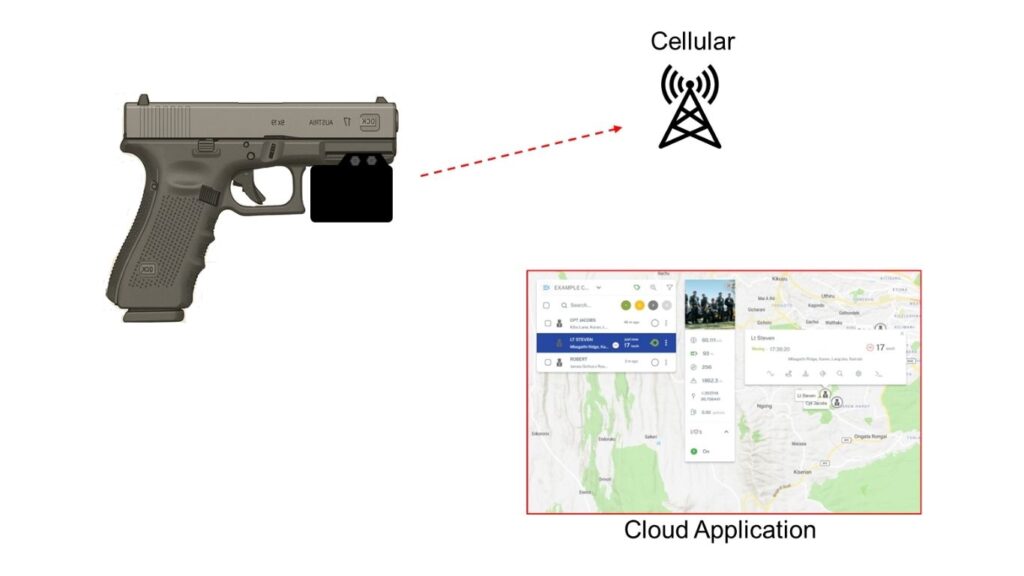
While RFID is great for close-range tracking within an armory, adding GPS and Bluetooth takes things to a whole new level, especially for weapons that might leave the facility. GPS can tell you the general location of a weapon if it’s equipped with a GPS tracker, which is super useful if something goes missing or is deployed in the field. Bluetooth, on the other hand, is good for shorter distances and can help pinpoint a weapon’s location within a building or a specific area when combined with other sensors. Together, these technologies create a more complete picture, giving you real-time visibility no matter where your assets are.
Secure Data Management With SSL Encryption
All this tracking generates a lot of data, and keeping that information safe is just as important as tracking the weapons themselves. That’s where SSL encryption comes in. It’s like putting your data in a secure, locked box that only authorized people can open. When information about weapon movements, who checked them out, or their location is sent across networks, SSL encryption scrambles it. This stops unauthorized eyes from seeing sensitive details, protecting against data breaches and ensuring that your armory’s operational security remains intact. It’s a standard practice for protecting sensitive information online, and it’s vital for any modern weapons tracking system.
Keeping track of weapons is a big deal for safety. RFID systems help keep detailed records of who is handling weapons and when. The whole point is to make sure you have accurate and secure records from the moment a weapon is acquired until it’s no longer in use. This also includes managing who can access those weapons.
Here’s a quick look at how different technologies contribute:
RFID: Automatic identification and tracking within a defined area (like an armory).
GPS: Real-time location tracking for deployed or mobile assets.
Bluetooth: Shorter-range location services, useful for indoor tracking and proximity alerts.
SSL Encryption: Protects data transmission and storage, maintaining confidentiality.
Ensuring Security And Accountability With A Weapons Tracker
Keeping track of firearms isn’t just about knowing where they are; it’s about making sure the right people have them and that they’re used properly. A good weapons tracker system acts like a digital guardian for your armory, providing a clear picture of every weapon’s status.
Real-Time Monitoring And Alerts
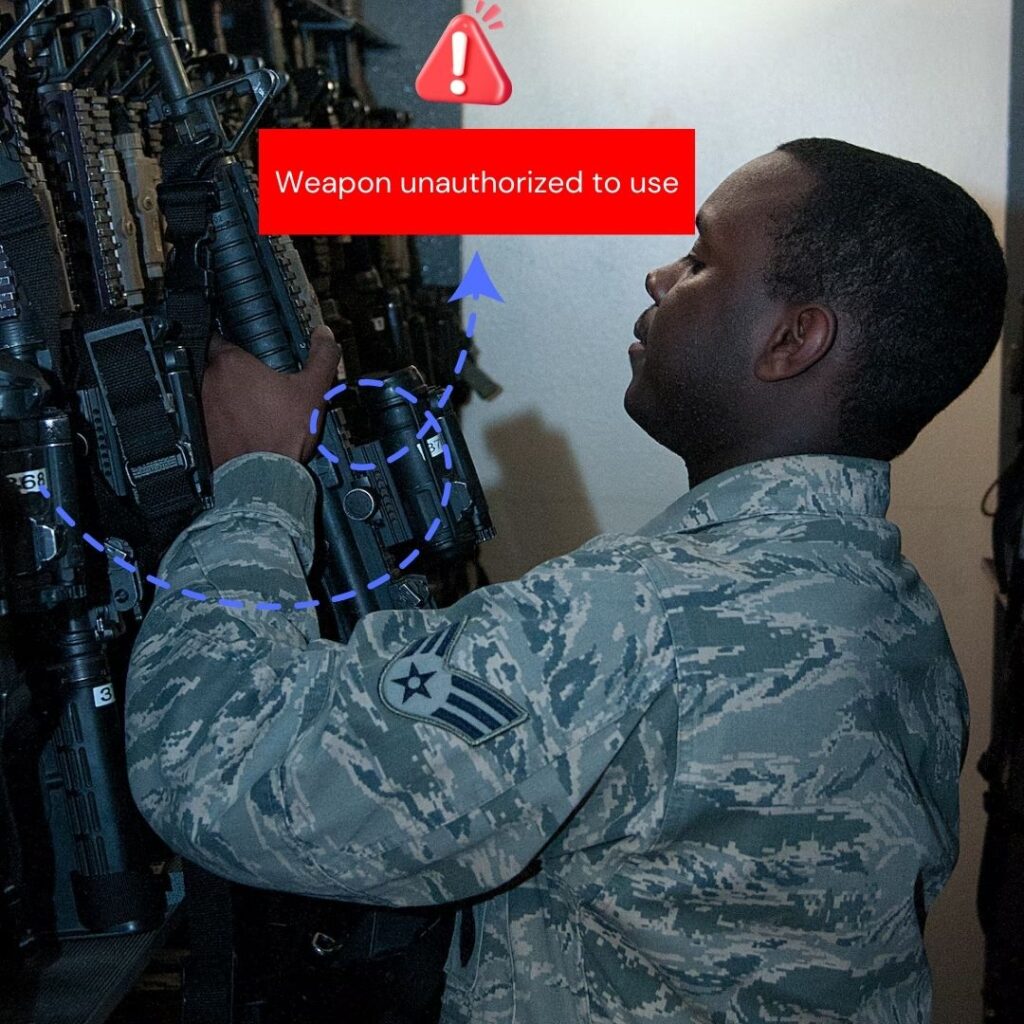
Imagine knowing instantly if a weapon leaves its designated spot without authorization. That’s what real-time monitoring does. Modern systems use sensors and tags to keep tabs on each item. If something unexpected happens, like a weapon being moved outside of normal hours or to an unapproved location, the system can send out alerts. This immediate notification is key for preventing theft or misuse. It’s like having an extra set of eyes on your entire inventory, 24/7.
Here’s a look at what real-time monitoring can cover:
Location Tracking: Pinpointing the exact location of tagged weapons.
Status Updates: Knowing if a weapon is in storage, checked out, or undergoing maintenance.
Unauthorized Movement Detection: Alerting you to any movement outside of predefined parameters.
Access Control Logs: Recording who accessed which weapon and when.
The ability to receive immediate notifications about unusual activity is a game-changer for armory security. It shifts the focus from reacting to incidents to proactively preventing them.
Maintaining Chain Of Custody

For any organization handling firearms, maintaining a clear chain of custody is non-negotiable. This means having a documented history of who has handled a weapon from the moment it entered your possession until it’s no longer in use. A weapons tracker automates this process, creating an irrefutable record.
When a weapon is checked out, the system logs the user, the time, and the reason. When it’s returned, that’s logged too. This detailed history is vital for accountability and can be crucial if an incident occurs. It removes guesswork and relies on verifiable data. This level of detail is what makes systems like RFID weapon tracking systems so effective.
Here’s how a tracker helps maintain the chain of custody:
Automated Logging: Every transaction is recorded automatically.
User Identification: Clear identification of who is responsible for a weapon at any given time.
Timestamped Records: Precise dates and times for all check-in and check-out events.
Audit Trails: A complete, unalterable history of weapon movements.
Preventing Unauthorized Weapon Removal
One of the biggest concerns for any armory is preventing weapons from falling into the wrong hands. Advanced tracking systems build multiple layers of security to stop unauthorized removal before it can even happen. This often starts with strict authentication protocols.
Before anyone can even access a weapon, they typically need to authenticate themselves. This could be through a PIN, an ID card scan, or even biometric identification like a fingerprint. Once authenticated, the system only allows access to weapons they are authorized to use. If someone tries to take a weapon they shouldn’t, or if a weapon is removed without proper authorization, the system flags it immediately. This combination of access control and real-time monitoring makes it incredibly difficult for unauthorized removals to go unnoticed. It’s about making sure that only authorized personnel can access the right equipment, at the right time, for the right reasons.
Optimizing Armory Management With A Weapons Tracker
Keeping track of firearms and related gear can feel like a constant juggling act. You’ve got weapons going out, coming back, needing maintenance, and you always need to know exactly where everything is. This is where a good weapons tracker system really shines, making the whole process way less of a headache.
Streamlining Inventory and Asset Management
Forget those endless spreadsheets and manual counts. A modern weapons tracker automates so much of the inventory process. Think about it: every weapon, every piece of equipment, tagged and accounted for digitally. This means you get a clear picture of what you have, where it is, and its current status, all in real-time. It cuts down on errors and saves a ton of time.
Automating Check-In and Check-Out Processes
This is a big one. When an officer or agent needs to sign out a weapon, the system can handle it quickly. Using things like RFID tags on the weapons and readers at the armory door means the system knows instantly when something leaves or returns. No more waiting around for someone to manually log it. This speeds things up, especially during busy periods, and makes sure the records are accurate from the get-go.
Here’s a quick look at how the check-in/check-out process can be simplified:
Weapon Issued: Agent approaches the armory window. System scans the agent’s ID and the weapon’s RFID tag. Transaction logged automatically.
Weapon Returned: Agent returns the weapon. System scans the weapon’s RFID tag as it enters the designated area. Transaction logged automatically.
Status Update: System immediately updates the weapon’s status from ‘Issued’ to ‘Available’ or vice-versa.
Tracking Maintenance and Compliance Schedules
Weapons aren’t just assets; they’re tools that need regular care. A good tracker system doesn’t just track location; it can also track maintenance schedules. You can set reminders for inspections, cleaning, or repairs. This helps you stay on top of compliance requirements and ensures your firearms are always in good working order. It’s about proactive care, not just reactive fixes.
Keeping firearms properly maintained and documented isn’t just about operational readiness; it’s a critical part of accountability and safety. A system that helps manage these schedules prevents oversights that could have serious consequences.
This kind of system helps prevent issues before they become problems. It makes managing a busy armory feel a lot more controlled and a lot less chaotic.
Choosing The Right Weapons Tracker For Your Organization
So, you’ve decided an advanced weapons tracker is the way to go. That’s a smart move. But with so many options out there, picking the right one can feel like a real puzzle. It’s not just about getting a system; it’s about getting the right system for your specific setup. Think of it like picking the right tool for a job – you wouldn’t use a hammer to screw in a bolt, right?
Tailoring Solutions To Specific Needs
Every organization is different. A busy police department armory has different needs than a small shooting club or a private security firm. You need to look at what you actually do with your weapons. How many do you have? How often are they checked in and out? Who needs access? What kind of reporting do you need for audits or inventory checks? Some systems are built for high-volume, rapid deployment scenarios, while others are better suited for meticulous record-keeping in a more static environment. It’s about matching the system’s capabilities to your daily operations and future goals.
Considering Budgetary Constraints
Let’s be real, budget is always a factor. Advanced systems can range quite a bit in price. You might see systems that cost a few thousand dollars, and others that run into the tens of thousands, depending on the features and scale. It’s not just the upfront cost, either. Think about ongoing fees for software updates, support, or even replacement tags if you’re using RFID. Sometimes, a slightly more expensive system upfront can save you a lot of money down the line through better efficiency and fewer errors. It’s worth doing a cost-benefit analysis.
Here’s a rough idea of what you might expect:
|
System Type |
Typical Initial Cost |
Key Considerations |
|---|---|---|
|
Basic Barcode System |
$500 – $2,000 |
Lower tech, prone to manual error, good for small inventories |
|
RFID-Based System |
$3,000 – $15,000+ |
Higher accuracy, faster check-in/out, requires tag investment |
|
Integrated GPS/Biometric |
$10,000 – $50,000+ |
Highest security, real-time location, complex integration |
Evaluating Vendor Expertise And Support
Don’t underestimate the importance of the company behind the system. You want a vendor that understands your industry – whether that’s law enforcement, military, or private security. Ask about their track record. How long have they been making these systems? Do they have case studies or references you can talk to? And what about support? When something goes wrong, or you need help figuring out a new feature, who are you going to call? A vendor with solid, responsive support can make all the difference between a smooth operation and a constant headache.
Choosing a weapons tracker isn’t just a purchase; it’s an investment in security and efficiency. Take your time, do your homework, and don’t be afraid to ask tough questions. The right system will pay for itself many times over.
The Future Of Weapons Tracking Technology
So, what’s next for keeping tabs on all those firearms? It’s not just about knowing where a rifle is right now; it’s about making the whole system smarter and more connected. We’re seeing some pretty cool stuff on the horizon that’s going to change how armories operate.
Integrating Artificial Intelligence
Artificial intelligence, or AI, is starting to pop up everywhere, and armory tech is no exception. Think about it: AI could help predict when a weapon might need maintenance based on its usage patterns, way before any scheduled check. It could also analyze security footage to flag unusual activity around weapon storage areas automatically. This proactive approach means fewer surprises and a more secure environment. Industry experts anticipate a significant increase in defense technology innovation by 2026, driven by progress in artificial intelligence (AI) and cybersecurity compliance.
Exploring Wireless Tracking Innovations
While RFID is great, the next wave is all about even more flexible wireless tracking. We’re talking about systems that can track weapons even when they’re not in a fixed RFID zone. This could involve a mix of technologies, maybe even low-power Bluetooth or other radio frequencies, to give a broader picture of where things are. This means better real-time visibility, especially for weapons that are frequently moved or deployed.
Here’s a quick look at what these innovations might bring:
Predictive Maintenance: AI analyzes usage data to schedule upkeep before issues arise.
Enhanced Anomaly Detection: AI monitors activity for suspicious patterns around armories.
Broader Wireless Coverage: New tech extends tracking beyond fixed RFID points.
Automated Compliance Checks: Systems could flag items nearing expiration or requiring specific checks.
Adapting To Evolving Security Demands
Security needs are always changing, and weapon tracking systems have to keep up. This means not only staying ahead of potential threats but also meeting new regulations and standards. The goal is to create systems that are not just good at tracking but are also adaptable. This might involve modular designs that can be updated with new software or hardware as security requirements shift. It’s all about building systems that can grow and change with the threats and the rules.
The push is towards systems that are less about just recording what happened and more about anticipating what might happen. This shift from reactive to proactive security is a major theme in future armory management.
Wrapping It Up
So, there you have it. Moving your armory into the digital age with a good tracking system isn’t just about keeping up with the times; it’s about making things safer and way more efficient. Think less time spent searching for gear and more time focusing on the job. It might seem like a big change, but honestly, the benefits in security and knowing exactly what you have and where it is, are pretty huge. It’s a smart move for any outfit that takes its equipment seriously.
Frequently Asked Questions
Think of a weapons tracker system like a super-smart inventory list for guns and related gear. It uses technology, like special tags or signals, to keep a close eye on where each weapon is, who has it, and when it was last used. This helps make sure everything is safe and accounted for, preventing any mix-ups or loss.
Keeping track of weapons is super important for safety. A tracker helps make sure only the right people have access to guns and that they are returned properly. It’s like having a security guard watching over everything 24/7, making sure no weapon goes missing or falls into the wrong hands. This is vital for police, military, and security teams.
RFID is like a tiny electronic tag that can be attached to a weapon. When the weapon passes by a special reader, the reader instantly knows what it is and where it is. This makes checking weapons in and out much faster and more accurate than writing things down by hand. It’s a quick and easy way to update the system.
Yes, many advanced systems can! They can send instant alerts if a weapon is removed when it shouldn’t be, or if it’s not returned on time. This real-time monitoring means you can react quickly to any unusual activity, adding an extra layer of security.
It’s true that some advanced systems can be an investment. However, many companies offer different options to fit various budgets. Sometimes, the long-term savings from preventing loss and improving efficiency can actually make it a smart financial choice. It’s worth looking into solutions that offer the best value for your specific needs.
The future looks exciting! We’re seeing more use of smart technology like artificial intelligence (AI) to help manage weapons even better. Think about systems that can predict maintenance needs or improve security even further. Wireless tracking is also getting better, making it easier to keep tabs on weapons wherever they go.